

The meaning and significance of “Nga Hau e Whaa”
Ngaa Hau e Whaa is a powerful Maaori phrase often translated as “the four winds.” At a basic level, it represents the four cardinal directions—north, south, east, and west—but its deeper cultural meaning speaks to something far more profound: unity, inclusivity, and the coming together of people from all places.
Across Aotearoa, marae named Ngaa Hau e Whaa carry this symbolism. They serve as places where whānau from every direction can gather, connect, and stand together.
Pukekohe’s history is defined by the continuous movement of people, whenua, and culture. The rohe sits within the wider lands of Waikato-Tainui, influenced by the mana of the Tainui waka and generations of iwi and hapuu who have cared for the land.
Over time, Pukekohe evolved into a crossroads—an agricultural hub that drew workers and families from across Aotearoa, the Pacific, and beyond.
Naming the marae Ngaa Hau e Whaa acknowledges this unique local character. It signals that the marae is a place of openness and connection, where all people—from every wind—are welcomed with manaakitanga
A Place of Movement and Many Peoples
These marae acknowledge movement, migration, and whakapapa as forces that shape identity. In te ao Maaori, the winds carry stories, ancestors, and diverse peoples to a common place, binding them in shared purpose.
For Pukekohe, this meaning holds special relevance.
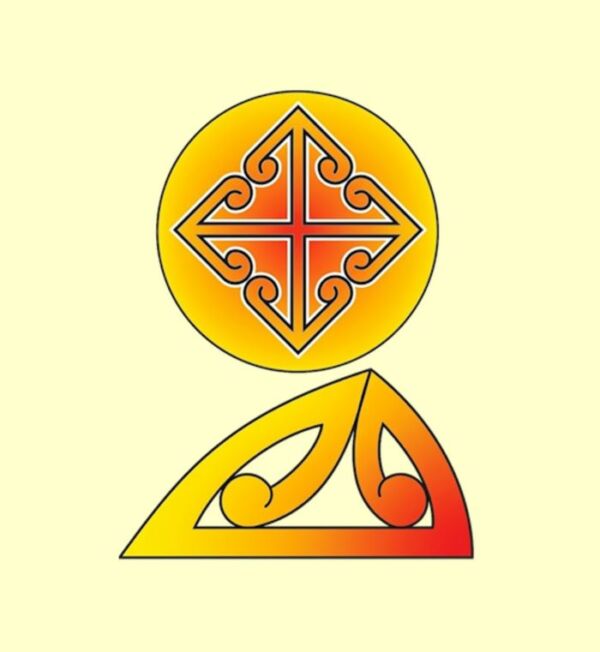
The top part of the marae’s logo above represents the four compass points of north, east, south and west, and the bottom image represents the hill of Pukekohekohe.
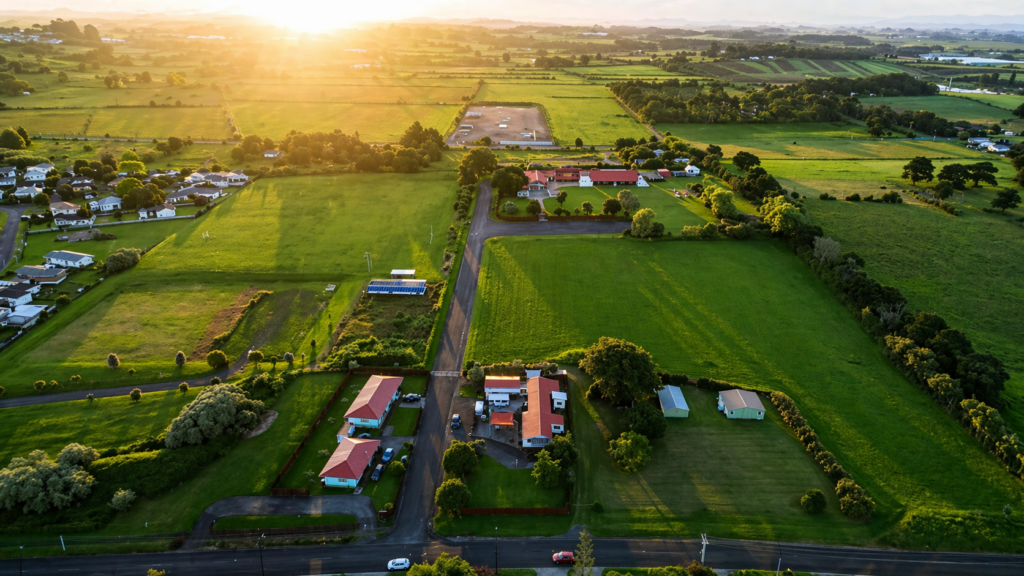
An aerial view of Ngaa Hau e Whaa ‘reservation’ with the marae top centre, with kaumaatua accommodations in the foreground
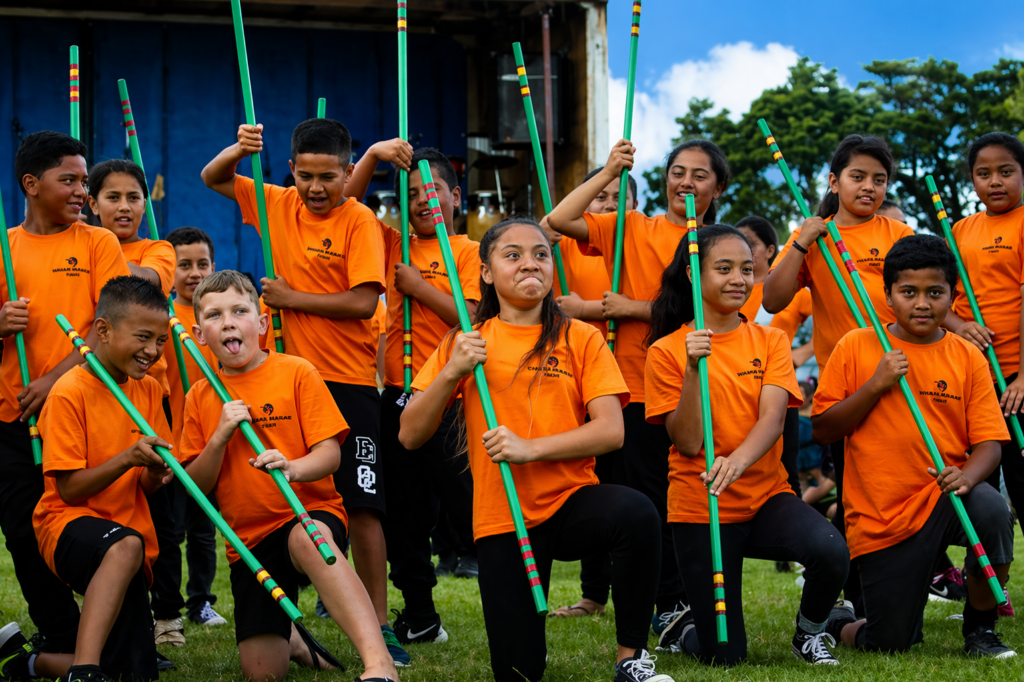
Ngaa Hau e Whaa Marae o Pukekohe stands as a cultural anchor for the region, honouring the past while embracing the future.
A Cultural Anchor for Today and Tomorrow
Ngaa Hau e Whaa Marae o Pukekohe stands as a cultural anchor for the region, honouring the past while embracing the future.
It provides a space where mana whenua, local Maaori whaanau, and the wider Pukekohe community can learn, celebrate, mourn, and stand together.
In this way, the name becomes both a metaphor and a mission. It calls people back to the centre, reminding us that no matter which wind we come from, we can find belonging and purpose together.
Through kaupapa, waananga, and the everyday work of whanaungatanga, the marae lives up to its name—a home for the many winds, unified in one place.